
Blog
How to Build a Long-Term Stable Sneaker Supply Partnership in 2026

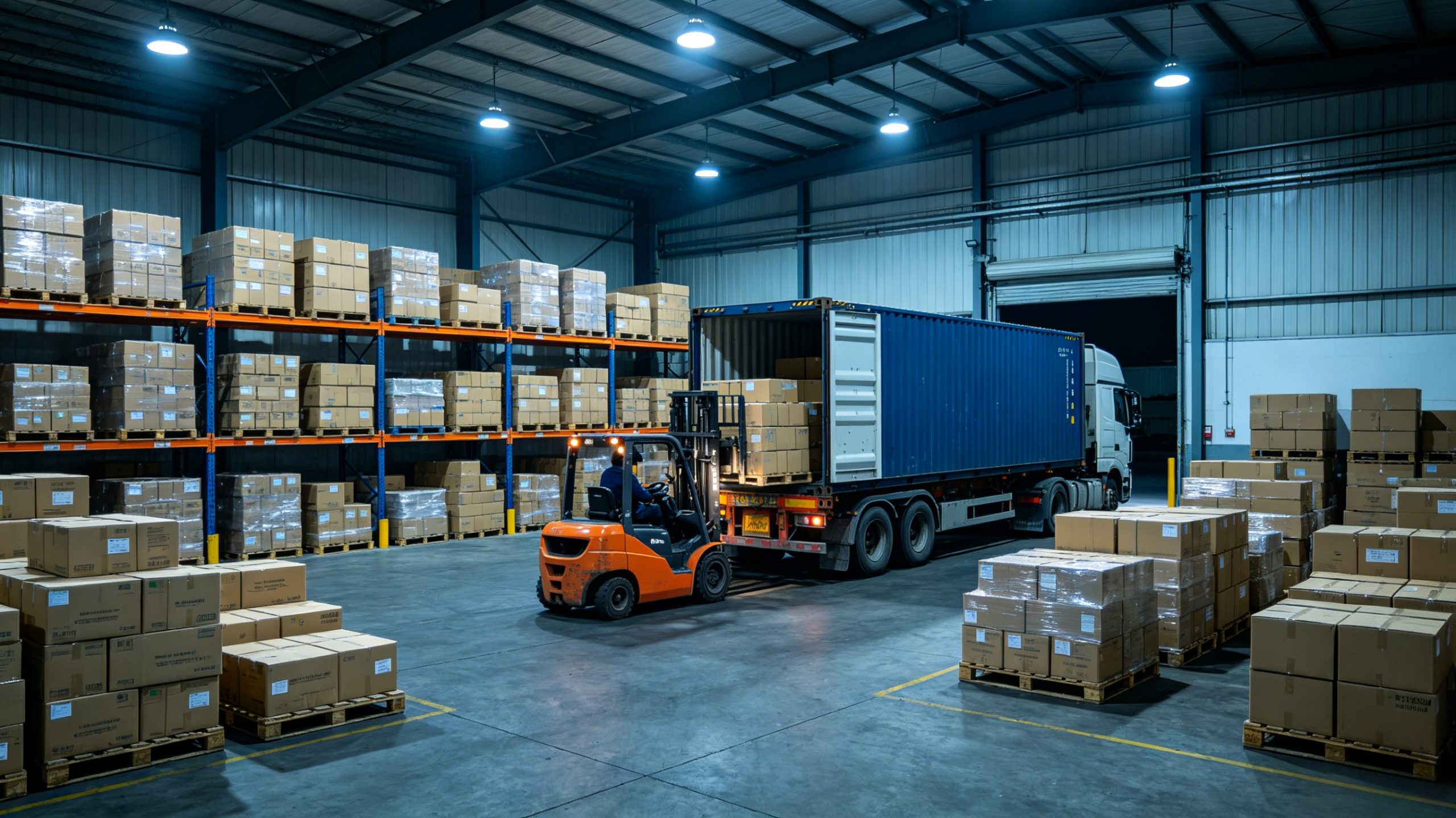
The core competitiveness of cross-border footwear business lies in stable supply chain support. Many sellers encounter business bottlenecks such as unstable inventory, intermittent new product updates, uneven quality, and inefficient after-sales service, which restrict long-term business growth. Working with Putian Qicheng Garment Co., Ltd. and adopting scientific cooperation strategies can help sellers build a stable, safe, and profitable long-term supply system.
- Start With Small-Batch Trial Orders to Verify Market Performance:For new sellers, blind large-batch stocking is the biggest business risk. We suggest starting with sample orders and small-batch trial sales to test local market preferences, product acceptance, and logistics timeliness. After verifying stable sales data, gradually expand the order scale to ensure safe investment.
- Fix Core Hot-Selling Styles to Stabilize Basic Orders:Select 10–20 high-quality stable hot styles as long-term fixed products of the store. These styles have stable inventory, mature market verification, and low return rate, which can form the basic order volume of the store and maintain stable daily sales revenue.
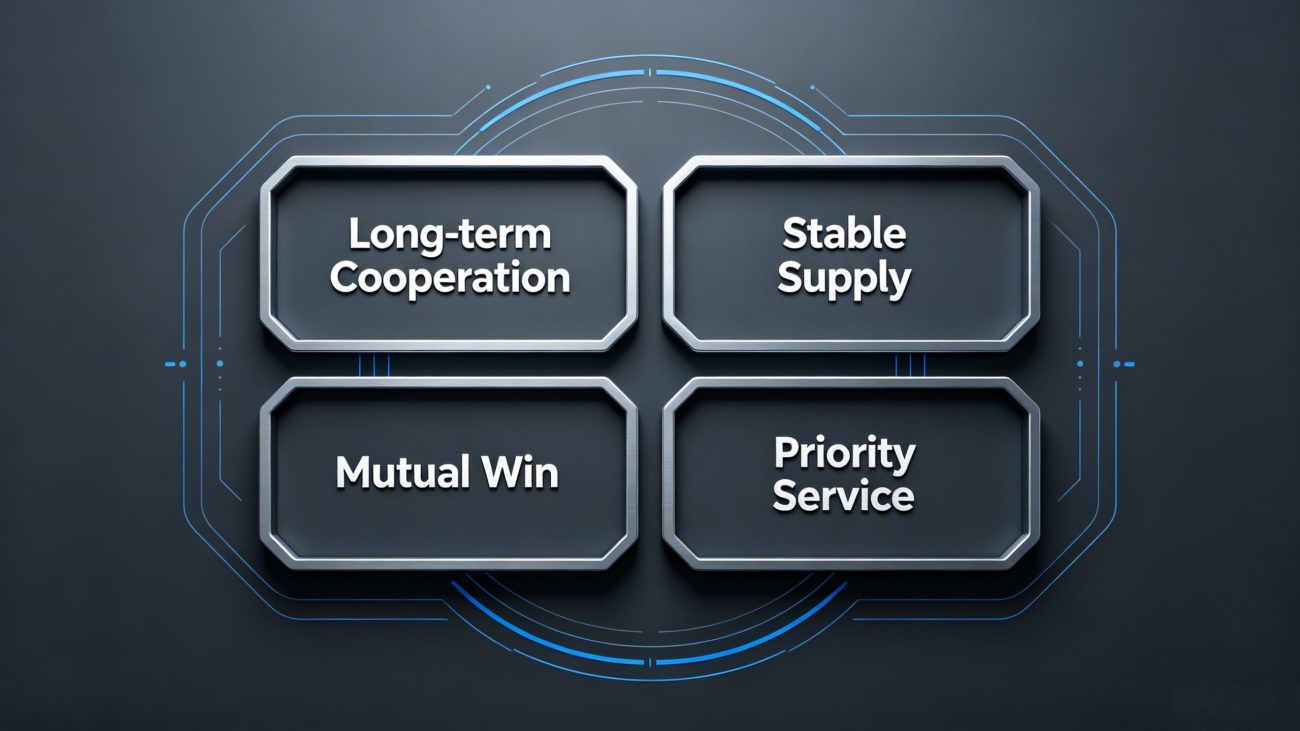

- Follow Trend Updates to Maintain Store Activity:We continuously launch new trendy styles according to global seasonal changes and fashion trends. Regularly updating store products can improve website freshness, attract new customer groups, and avoid store aging and traffic decline caused by single products.
- One-on-One Professional Docking Service:We provide exclusive customer service docking for long-term cooperative customers, quickly responding to inventory inquiries, order modification, logistics tracking, batch customization, and after-sales processing. Efficient communication greatly improves operational efficiency and saves sellers’ time cost.
- Enjoy Gradual Preferential Policies for Long-Term Cooperation:Stable long-term cooperative customers can enjoy gradient wholesale discounts, priority inventory allocation, priority delivery rights, and new product priority authorization. Long-term cooperation can continuously reduce procurement costs and maximize overall business profit margins.
相关文章
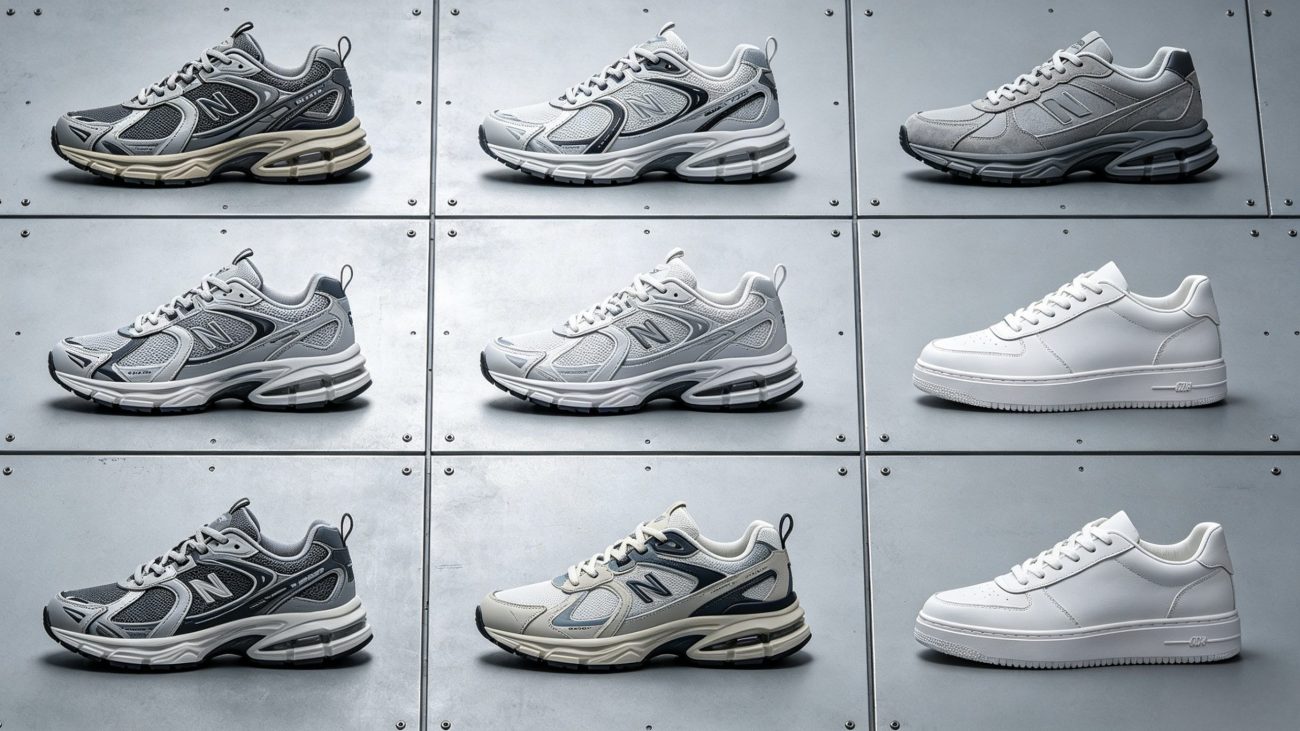
2026 Global Hottest Sneaker Trend Analysis for Cross-Border Sellers

Global consumer fashion preferences are constantly evolving, and the sneaker market in 2026 presents new trend character...